
Two Years with the Leica M11: Purpose, Patience, and Seeing Differently
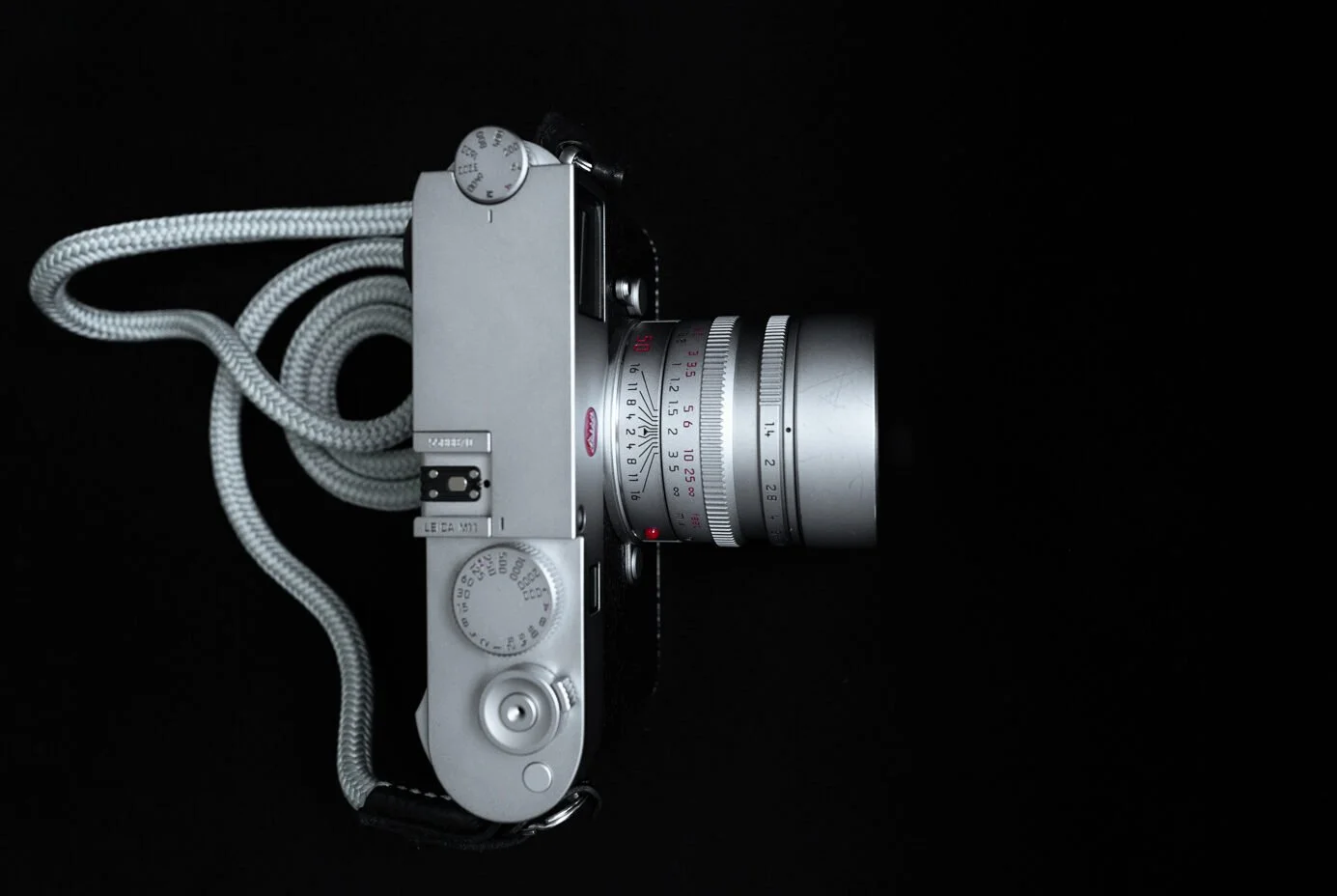
It’s been just over two years since I first picked up the Leica M11.
Back then, it felt like stepping into a world I’d always admired but never quite belonged to, a tactile, deliberate, beautifully engineered object that asked more of me than any camera I’d used before. And in return, it gave more too. It’s easy to get caught up in the gear talk, the 60 megapixel sensor, the brass top plate, internal storage, the charm of the M-system. But now, two years later, that conversation feels a little hollow. What I’ve come to realise is this: owning the M11 didn’t just change the way I shoot; it changed the way I see. It sounds cliched but it’s true.
Before the M11, I approached photography as many of us do, with ease, with automation, and with speed. DSLRs, mirrorless bodies, fast autofocus, all designed to remove friction. And in removing that friction, I unknowingly gave up a certain kind of presence. The M11 reintroduced it.
Every time I took a photo, the M11 asked me to be more purposeful. It taught me to pre-visualise an image. To measure light more intentionally. To understand depth of field not as a setting, but as a spatial relationship between me and what I care to focus on.
Technically speaking, the M11 is still one of the most capable sensors I’ve worked with. The images are rich, files are forgiving, and the dynamic range is almost indulgent. But if I’m honest, I’ve stopped chasing perfection in the files. What I value now is what I’m capturing and the story, the feeling that I was there, fully there, when I clicked the shutter.
You don’t spray and pray with a Leica M. You don’t get 30 shots a second. There’s loads of other brands for that. What you get instead is something quieter but deeper, a relationship with the frame. I’ve learned to wait for the right gesture, to predict movement, to think two steps ahead in composition. It’s made me better not just technically, but emotionally connected to the act of photographing.
The M11 forced me to reconsider what gear I truly need. I found myself defaulting to one or two lenses, favouring consistency and familiarity over variety. I stopped carrying bags full of equipment. And I started shooting more with intent, less with impulse.
I even found myself photographing subjects I used to avoid. Architecture, shadows, quiet street scenes, moments that don’t shout but reveal themselves slowly. The M11 encouraged me to seek subtlety, and in doing so, it made me fall in love with photography all over again.
Two years in, it’s not perfect, and I don’t want it to be. I still sometimes miss a shot because I was too slow. I still wish there was IBIS when the light fades and my hands start to shake. And yes, on long days, I feel the weight of that brass top plate.
But despite those quirks, I keep picking it up. Because the M11 doesn’t try to be everything. It’s not for video, it’s not for quick grabs, and it’s not for convenience. It’s for making photos, with patience, attention, and love.
What’s surprised me most over the last two years isn’t how good the images look; it’s how much more personal photography feels now. The M11 has pushed me into new ways of seeing, new habits, and new routines. I want to pick up the camera, I want to take photos. I frame more deliberately. And in that process, I’ve become a better photographer, not because of megapixels or sharpness, but because it’s made me more purposeful.
Photography, at its best, is a conversation between the world and the person behind the lens. The Leica M11, with all its intentional quirks, taught me how to listen better.
Would I still recommend it today? Yes, but only if you’re ready to be challenged and changed. If you’re ready to stop chasing and start observing. If you want to feel photography again, not just do it.
And for me, after two years, that’s exactly what this camera has given back: not just beautiful images, but the joy of being truly present.