
Living with the Leica 75mm Noctilux Review: My Honest Take
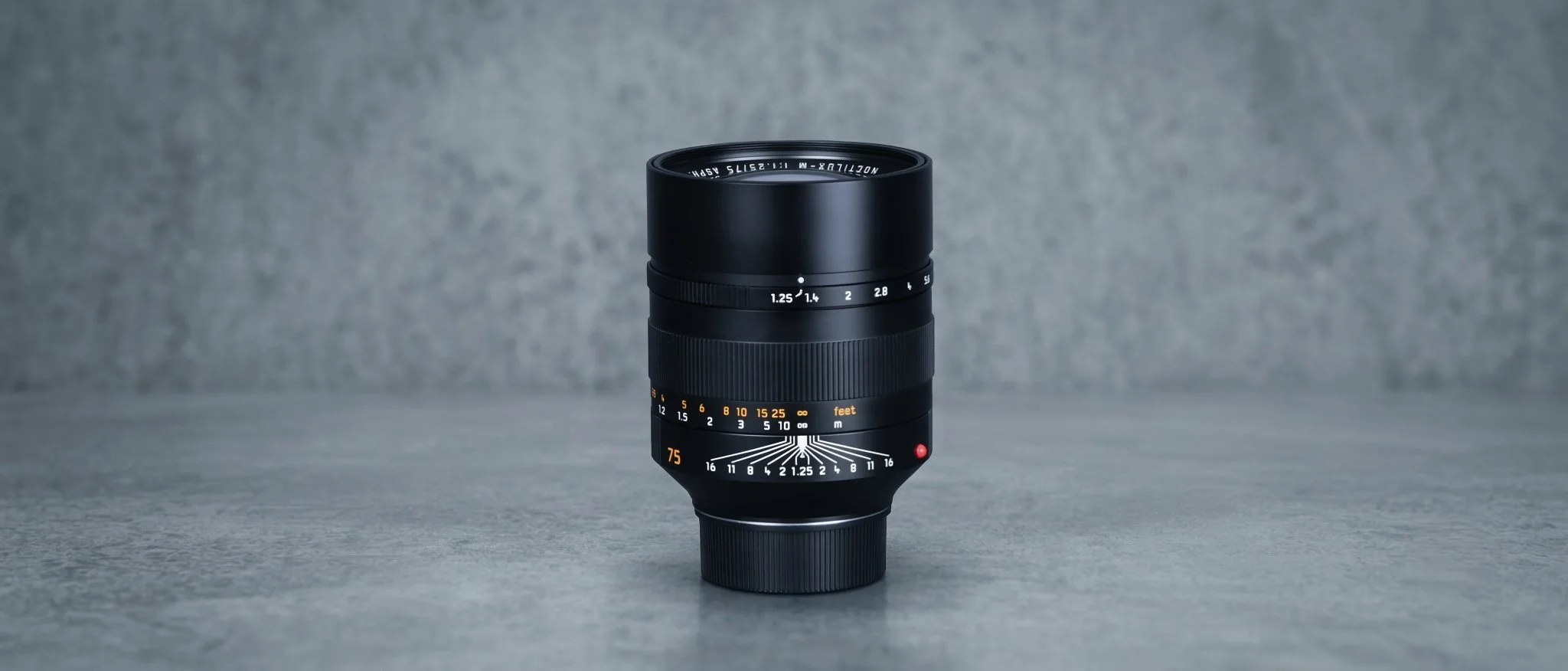
There’s a strange kind of silence that follows when you first hold the Leica 75mm Noctilux in your hands. Not because it’s fragile, but because you know you’re holding something rare. Not rare like a collector’s item locked behind glass, but rare in its purpose.
I didn't buy this lens because I needed it. Honestly, nobody needs a lens like this. But I tried it once, and suddenly the way I saw light, shadow, people, and stillness started to shift. It doesn’t just change your photos. It changes how you approach them.
Let’s get one thing out of the way. This lens is heavy. For an M-mount lens, it’s massive. It makes an M11 feel front-loaded and muscular, like a little rangefinder trying to pretend it’s part of a cinema rig. You won’t forget it’s hanging off your shoulder.
But here’s the thing. That weight brings a kind of intention. You don’t casually fire shots with this lens. You stop. You breathe. You focus manually. You frame with purpose. That’s when it starts to pull you in. Not just technically, but emotionally.
Wide Open, Everything Changes
At f/1.25, this lens doesn’t just blur the background. It erases time. That might sound poetic, but it’s genuinely hard to describe how it renders scenes. Foregrounds stay honest. Midgrounds melt. Backgrounds disappear completely. Not in a gimmicky way either. The bokeh doesn’t just swirl for effect. It lingers, like aftertaste.
The result? Photos that feel less like documentation and more like memory. Soft edges, emotional weight, and a kind of intimacy you can’t fake in post.
Not Clinical. Not Trying to Be.
This isn’t the lens you use when you want everything pin-sharp and pixel-perfect. Leica didn’t build it for that. It has character. That’s a polite way of saying it’s not always technically perfect. You might get a bit of glow. You might miss focus by a sliver. But when it hits, and when you let go of chasing perfection, it gives you something else entirely.
And honestly, in a time where everything is over-sharpened and filtered to death, a lens with a little soul feels like a welcome rebellion.
It’s Not Just a Portrait Lens. But It’s Perfect for Portraits.
Technically, this is a medium-telephoto lens. But calling it just a portrait lens doesn’t do it justice.
Yes, it shines for headshots and close-up portraits. But where it really earns its place is in storytelling. I’ve used it to shoot friends laughing over dinner, quiet moments in cafes on rainy afternoons, and strangers lit by neon signs after midnight. Each time, it gave me something back. Something human. Something that feels lived-in.
There’s a cinematic, almost painterly quality to the way it renders a scene. Not flashy. Not sterile. Just honest.
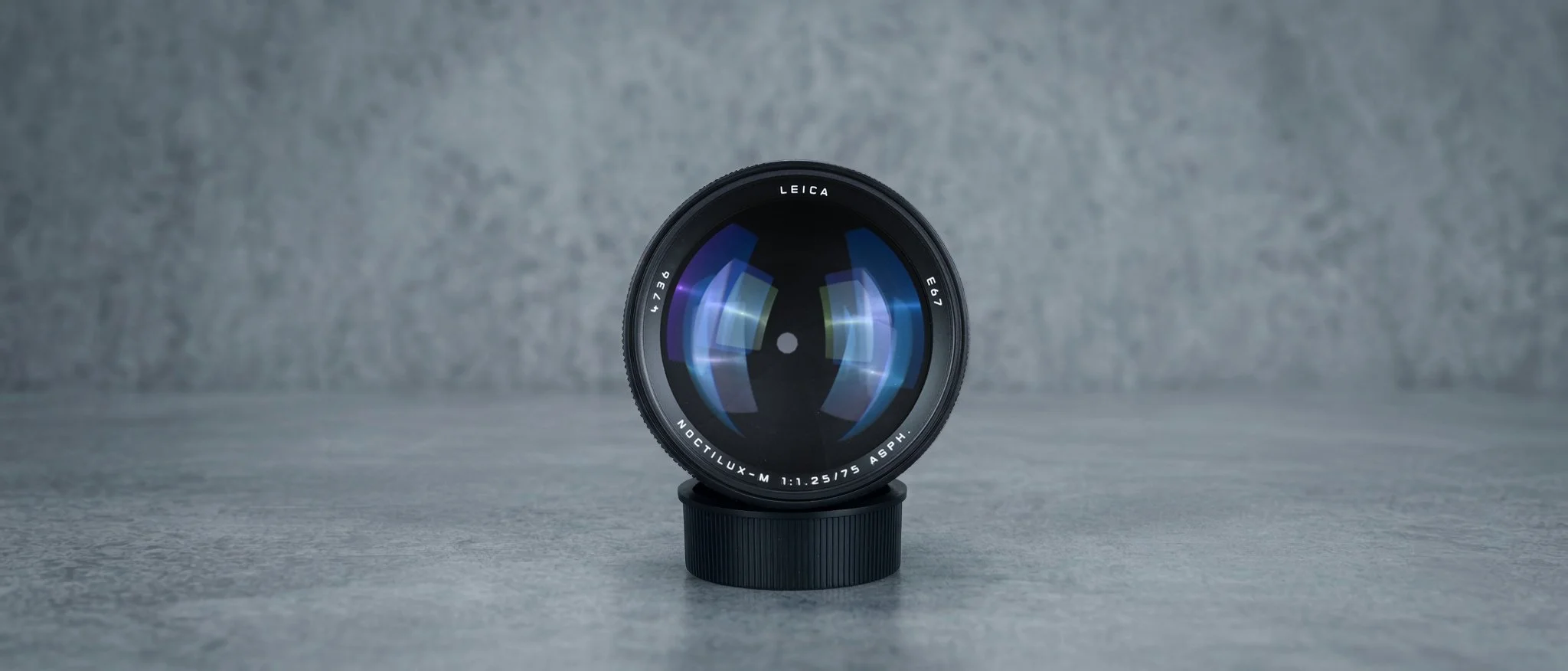
Low Light? This Lens Feels at Home.
This is where the Noctilux makes other lenses feel limited. Even handheld at f/1.25, you can gather so much light it feels like cheating. Shadows stretch gently. Highlights bloom just enough. The images hold their mood without falling apart.
I’ve walked through alleyways in Tokyo, shot bars in Lisbon, and stood still in candlelit rooms. Every time, this lens handled it smoothly. It doesn’t struggle. It adapts.
Is It Worth It?
That’s the question everyone wants answered. At around $13,000 AUD, the 75mm Noctilux is not a casual purchase. You could buy a small car. Or pay several months of rent in a city like Sydney. For most people, it won’t make financial sense.
But photography isn’t always logical. Sometimes it’s about feel. About slowing down. About choosing gear that shifts your mindset.
That’s what this lens does. It encourages patience. It rewards focus. It invites you to stop shooting just to shoot, and to start making images that matter.
So Who’s It For?
It’s not for people obsessed with edge-to-edge sharpness. It’s not for those looking for fast autofocus. It’s definitely not for anyone hoping to carry just one lens.
It’s for people who care how their photos feel. For those who photograph with emotion, not just precision. For portrait artists. For visual poets. For Leica fans who are in it for more than just the red dot.
This is for the type of photographer who sees gear as an extension of voice, not just a tool.
Final Thought: A Lens You Live With
The Noctilux 75 isn’t something you borrow and forget. It stays with you. It’s moody. It takes effort. It’s not always easy to use. But once it clicks with you, it’s hard to go back.
Some tools are just functional. Others shape the way you see the world. This one does a little of both.